Guides
Setting up a moving company: the equipment checklist
Moving company equipment chosen from the streets and buildings you serve: truck sizing, the weight rating decision, the load-out, and the yard that supports it.
What to take away
- The truck is sized by the narrowest street and the tightest driveway you intend to serve, not by the largest job you hope to win. A vehicle that cannot reach the door turns one crew-day into two.
- The weight rating you choose is a regulatory decision as much as a capacity one. It can change which rules apply to the vehicle and the driver, so confirm the consequences before you buy.
- Soft goods are what actually protect the goods and the building. Pads, runners, and door protection cost little and prevent most of the damage a new yard pays for.
- Equipment you own but cannot use is fixed cost. Buy specialty gear when the volume and the trained crew for it both exist.
Start from the territory, not the catalog
Before you buy, note four things about your service area: typical street width and parking, building types and whether they have docks or elevators, driveways and turning room at single-family homes, and any low bridges or weight-restricted roads between them.
That description determines the truck. Everything else in the fleet follows from the truck, and the truck follows from the territory.
Reversing the order is the most expensive mistake at this stage, because a truck is the least liquid thing a new mover buys.
The territory description belongs in the moving company startup and market guide, treated as real market research.
Sizing the truck
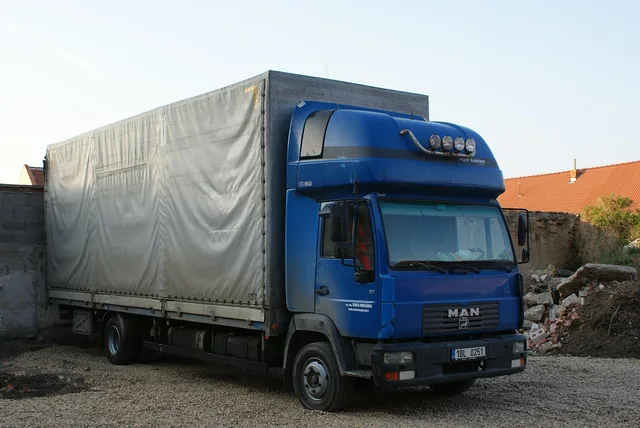
A moving truck has to satisfy three constraints at once, and the binding one is usually not volume.
Three truck sizing constraints
Volume
- Set by
- Job cubic feet
- When it binds
- Two trips
- Cost effect
- Second truck
Access
- Set by
- Street and driveway
- When it binds
- Shuttle needed
- Cost effect
- Unpriced day
Weight rating
- Set by
- Vehicle selected
- When it binds
- Different rules apply
- Cost effect
- Insurance changes
| Constraint | What it is set by | What happens when it binds |
|---|---|---|
| Volume | Cubic feet of a typical job from your surveys | Two trips, or a second truck |
| Access | Street width, driveway, overhead clearance, parking rules | A shuttle: a smaller vehicle ferries the load to the big truck |
| Weight rating | The vehicle you select | Different rules may apply to vehicle and driver, and different insurance |
The shuttle is the case worth understanding: a phone quote never anticipates it. If the truck cannot stand near the door, the crew carries a long distance or moves the goods twice. Either way, the job takes a day it was not priced for.
Two smaller trucks often serve a dense residential territory better than one large one, even if the large one looks more efficient on paper.
The weight rating decision
Vehicle weight ratings sit behind a set of federal and state rules covering registration, markings, inspections, and driver licensing. They also cover medical certification and hours of driving.
Where the thresholds fall and what follows from crossing them depends on the route: interstate operations go to the Federal Motor Carrier Safety Administration, intrastate ones to the state. Ask before you buy, because the answer changes operating costs for your entire ownership.
FMCSA's regulations and enforcement page identifies the consumer-protection framework for interstate household-goods carriers, and its Protect Your Move materials describe what an interstate customer must be given. Neither is a vehicle specification, and that is the point: the vehicle rules and the household-goods rules are separate bodies of requirement, and a new owner has to ask about both.
The truck body
- Box or van body,with a translucent roof panel if you can get one, because crews load in the dark otherwise.
- A ramp or a liftgate.A ramp is cheaper, faster for most household goods, and useless for a heavy appliance at a dock height. A liftgate is slower and handles weight. Choose for the buildings in your territory.
- E-track or logistics trackalong the walls, so the load can be secured in tiers rather than stacked and hoped for.
- Attic space over the cab,which is where the light bulky items go and where the load either stays put or does not.
- Wheel wells considered,because they decide how furniture can be placed on the floor.
The load-out that rides on every truck
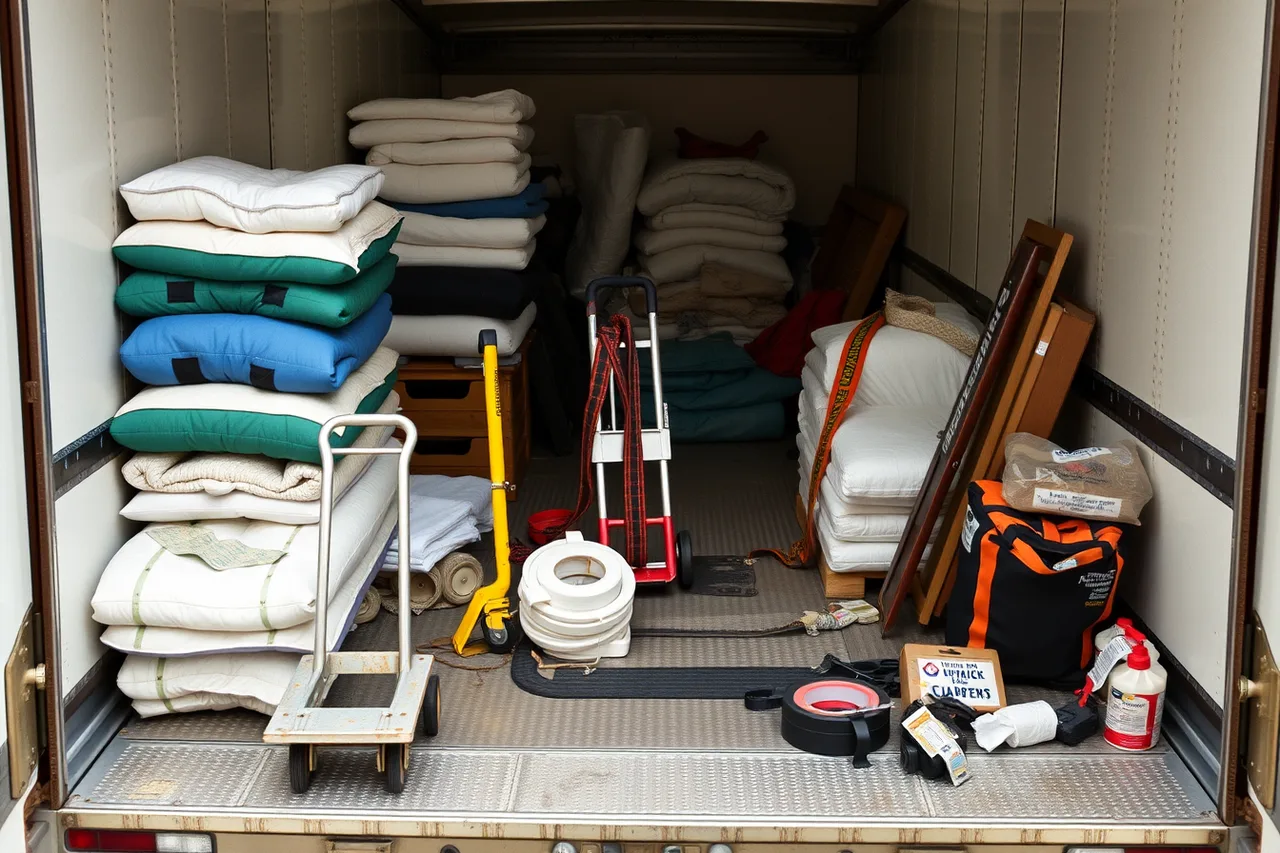
This is the equipment that does the actual protecting. It is cheap relative to the damage it prevents, and it is what separates a crew that looks professional from one that does not.
The load-out
- Moving pads in quantity, counted on and counted off every day
- Four-wheel dollies, two-wheel hand trucks, and an appliance dolly with a stair-climbing strap
- Strapsratchet straps for the load, shoulder or forearm straps for the carry
- Floor runners, door jamb protectors, and banister protection
- Shrink wrap, tape, and mattress bags
- A basic tool kit for disassembly, plus bags for hardware
- Carton stock for the job, from the estimate's materials list
Specialty equipment, added deliberately
A piano board, a safe jack, crating materials, and heavy-item skates each make a service possible. Each is a fixed cost if work does not arrive.
Buy one when two things are true: volume justifies it, and a crew is trained on it. The moving company services and packages guide sets out that service side. It defines specialty handling as a named service, not a favor.
The yard
The yard is equipment too. It needs legal overnight truck parking, dry storage for pads and cartons, and a place to count equipment on and off. If you sell storage, your facility must be insured for customer goods.
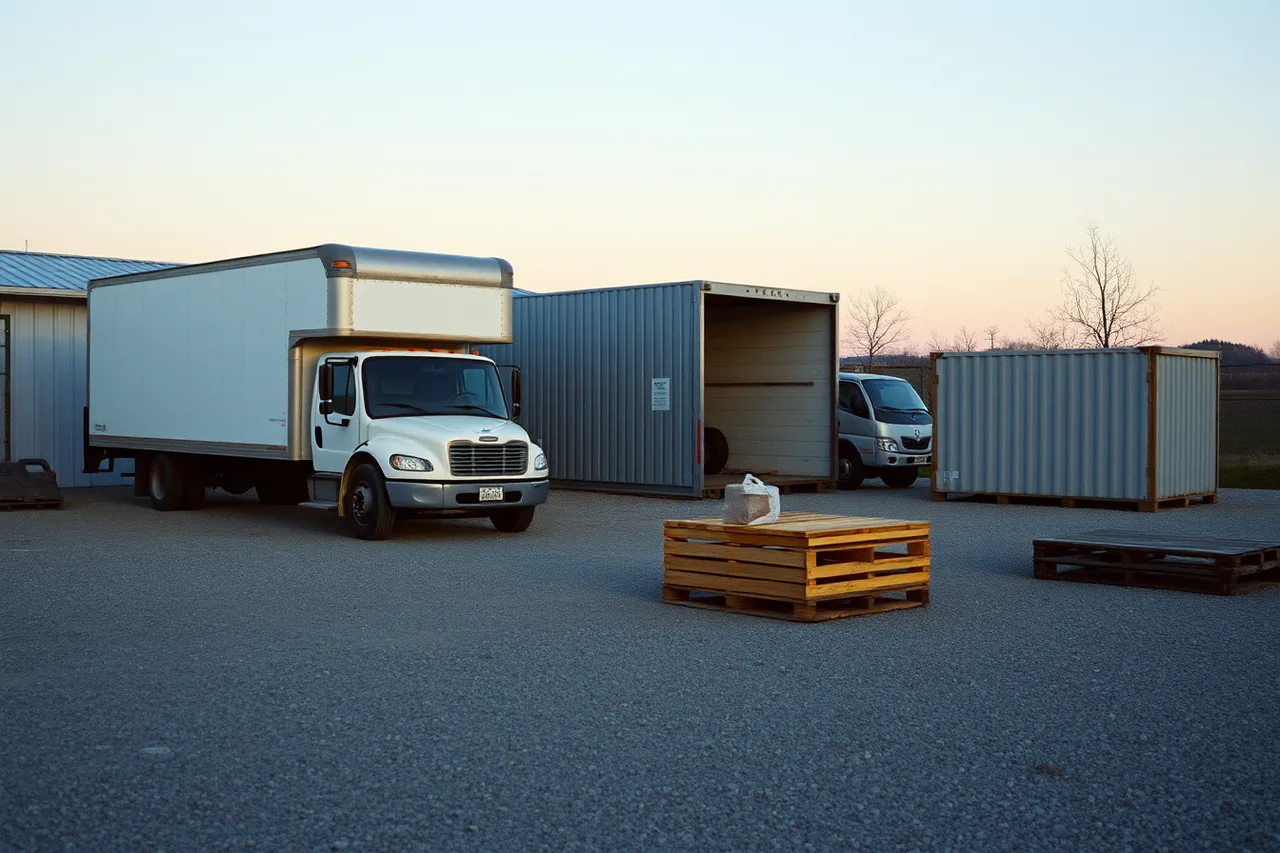
A residential driveway can start you off, but it rarely lasts. Whether local zoning allows a home yard at all is a separate question.
Equipment and the safety program
Most injuries in this trade come from lifting, carrying on stairs, and vehicle operations. The equipment choices above are half the answer. The other half is a program. The Occupational Safety and Health Administration's guidance on safety management describes a proactive approach of finding and fixing hazards before an injury or an inspection exposes them.
For a mover, that means the pre-trip inspection, the equipment condition check, and a method for stairs and heavy items that crews are trained in rather than told about once.
Equipment that is broken is worse than equipment that is missing, because the crew will use it anyway. Take damaged straps and dollies out of service the day they are found.
Maintenance and the record
Every vehicle needs a maintenance schedule and a pre-trip inspection form that returns to the office. Every piece of soft equipment needs a count.
The count makes loss visible: pads not counted on cannot be counted off. A yard that skips counting replaces its entire pad inventory once a year without knowing why.
Purchase records, maintenance records, and disposal records also matter for the books. The Internal Revenue Service's guidance on what kind of records should I keep leaves the system to the business provided it clearly shows income and expenses, and equipment records are the part most new owners keep worst.
What to buy first, in order
What to buy first
- The soft-goods load-out. It is cheap and it prevents claims from day one.
- Dollies and straps in the quantities a full crew can use at once.
- The truck, sized to the territory and confirmed against the weight rules.
- Body fittingstrack, ramp or liftgate, attic.
- Carton and materials stock for the first month.
- Specialty gear, one class at a time, when the work and the trained crew both exist.
A yard that follows that order can start work with a rented truck while it decides on a permanent one. A yard that reverses it owns a truck and has nothing to protect the furniture with.
What to buy first
- Soft-goods load-out
- Dollies and straps in crew quantities
- Truck sized to territory and weight rules
- Body fittingstrack, ramp or liftgate, attic
- Carton and materials stock for first month
- Specialty gear when work and trained crew exist
Common questions
How many pads does a crew need?
More than you think, and the right number is the one that lets a full truck be padded without rationing. Count them daily and the number will find itself within a month.
Should I buy a liftgate?
Only if your buildings and appliance work need it. For ordinary residential moves a ramp is faster, and speed on a ramp is crew-hours saved on every job.
Is a used truck a false economy?
Not necessarily. What matters is downtime in peak season, since a truck out of service in July costs far more than the same repair in February.
Can I run a moving company from a home driveway?
Sometimes, and it is a zoning and permit question for the city rather than a business one. Ask before the truck arrives, not after a neighbor does.
What equipment do customers actually notice?
Floor runners, door protection, and clean pads. They are also the cheapest items on the list, which is a useful thing to know in the first year.