Guides
Moving company equipment: the daily count routine
A daily count routine for moving company equipment: what to count on and off each truck, the condition tests that pull gear, and the stock that backs it up.
What to take away
- Count soft equipment on in the morning and off in the evening, and write both numbers on the crew sheet.
- Investigate any gap the same day, while the job, the crew and the building are fresh.
- Condition rules remove gear from servicewet or torn pads, frayed straps, split dolly decks.
- Yard stock above the truck counts lets a damaged item be replaced the same day.
- Each new truck or yard gets its own full set, not a share of the old one.
The morning count at the yard
Count each truck's soft equipment at the yard before it leaves, and write the numbers on the crew sheet. The owner sets a fixed number per truck, and the crew lead signs for it. Equipment that is not counted is not owned for long.
Pads come first, then dollies and straps. The count also checks that the truck matches the crew size: at least one four-wheel dolly per two crew members, one two-wheel hand truck per crew member, and enough ratchet straps to secure every tier.
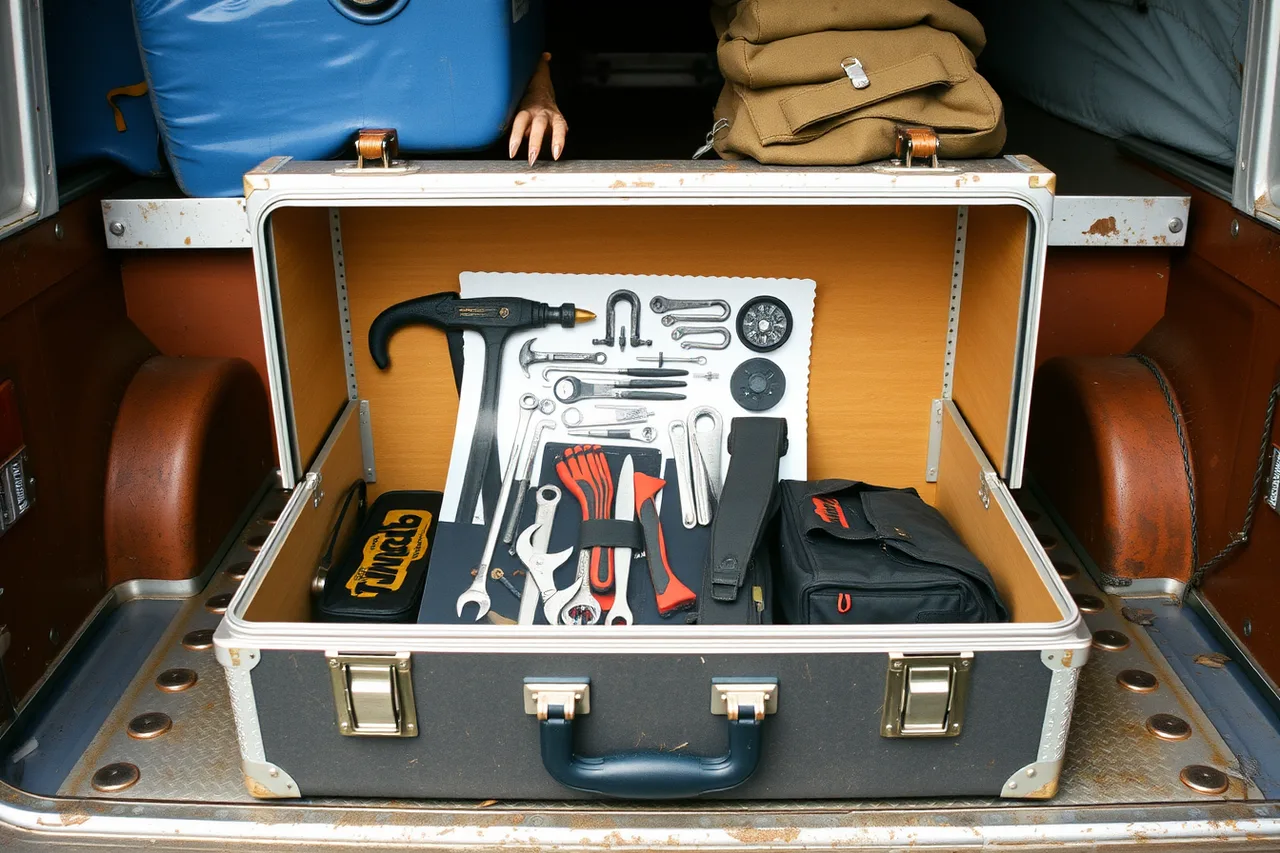
The tool kit needs no counting if it carries a photograph of its contents taped inside the lid. A missing item then shows in three seconds instead of at the customer's bedroom.
The evening count at close-out
Count the same items off the truck at close-out and compare them with the morning numbers. A gap is investigated that day, not at the end of the month, because by then nobody remembers which job, which building or which crew.
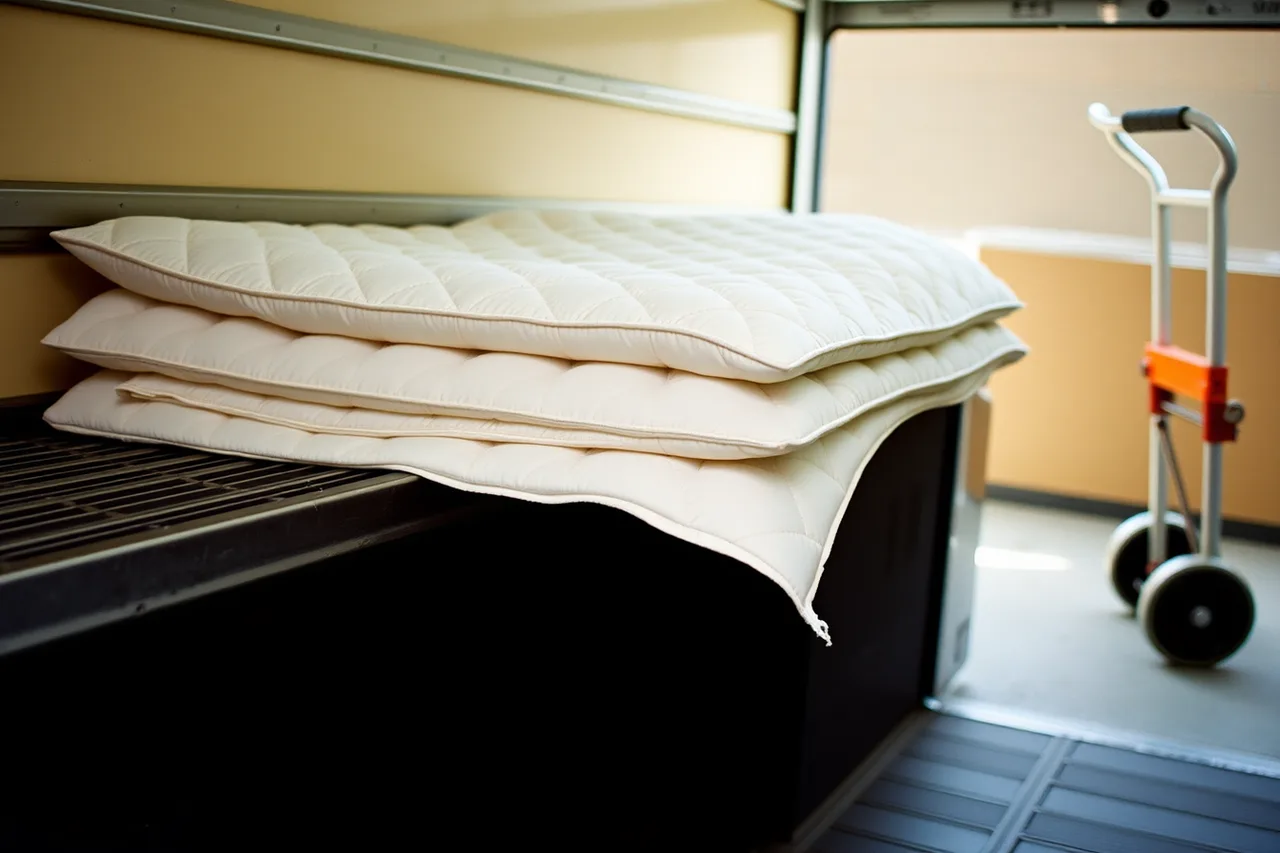
Two counts do most of the work: pads on and pads off, then dollies and straps on and off. Both go on the same sheet.
Without them a yard replaces its entire soft inventory roughly once a year and never learns where it went. With them the loss becomes a fact attached to a date and a crew, which is usually enough to stop it.
The count sheet, item by item
One table on the crew sheet covers the whole truck. Each row pairs a count rule with a condition test, so the person counting also decides what leaves service.
| Item | Count rule | Remove from service when |
|---|---|---|
| Moving pads | Fixed number per truck, counted on and off | Wet or torn; wet pads mildew the next load |
| Four-wheel dollies | At least one per two crew members | Wheels stick or the deck is split |
| Two-wheel hand trucks | One per crew member | Straps frayed or toe plate bent |
| Appliance dolly with stair strap | One per truck | Belt mechanism slips under load |
| Ratchet straps | Enough to secure every tier | Fraying, or the ratchet does not lock positively |
| Shoulder or forearm straps | One set per two crew | Buckles or stitching failing |
| Floor runners | Enough for the longest carry in your territory | Non-slip backing worn or dirty |
| Door jamb and banister protection | Full set per truck | Fasteners missing |
| Shrink wrap, tape, mattress bags | Restocked to a set level weekly | Out of date or adhesive failing |
| Broom, dustpan, trash bags | One per truck | Missing |
Condition rules that pull gear
Condition is a stricter test than quantity. A frayed strap or a wobbly dolly is worse than having none, because the crew will use it anyway. Take it off the truck at the count and replace it from yard stock.
The federal cargo securement rules point the same way. One section says cargo must be contained, immobilized or secured so that it cannot shift enough to affect the vehicle's stability or maneuverability. Another says all tiedowns and securement parts must be in proper working order, with no damaged or weakened components, such as cracks or cuts.
Which rules apply to your vehicle, and what else a truck must carry, comes from the Federal Motor Carrier Safety Administration for interstate operations and from the state otherwise. Confirm the list with the authority and add each confirmed item to the truck's kit, so the crew lead need not remember which job needs what.
What a gap tells you
A gap is a question, not an accusation. The sheet shows the truck, the crew and the date, so the first step is to retrace that day's jobs and buildings.
- Which job used the item last?
- Was it left at a customer's address or in a building?
- Was it damaged and thrown away without a note?
- Was a replacement taken from yard stock and logged?
Write the answer next to the gap. Over time the pattern by crew, building type or truck shows where the loss sits.
The crew lead's kit gets counted too
The crew lead carries a small kit of paper and tools, and it is checked in the morning like the truck:
- Crew sheet with addresses, access notes, special items, customer-packed flags and building contacts, with no prices on it
- Inventory sheets or tags, with condition codes
- Change-order forms, signed before extra work starts
- A camera, which in practice is a phone, for pre-existing damage at the walkthrough
- Certificate of insurance, for the building manager who asks for one
- A pen that works, twice over
This kit is the one most often incomplete. A crew that arrives without inventory tags will not stop the job to get them; it will work without them, and the claim three days later is the result. New crew should learn the count by doing it with the crew lead, and the training checklist is the place to add it.
Yard stock that keeps the count honest
Keep pad and equipment stock above the truck counts, so a damaged item is replaced the same day. Without a spare, a crew either works short or keeps using the item that should have been pulled.
- Carton and materials stock, with a reorder level written on the shelf
- Dry, secure storage for all of it
- Vehicle maintenance records and pre-trip inspection forms
- A place to count equipment on and off that is on the route from the office to the truck
When a truck or a yard is added
Adding a second truck means duplicating the truck kit entirely, not sharing it. If two trucks share one set of dollies, the crew waits in the yard at seven in the morning.
A second yard is a duplicate of all three kits, which is one cost the expansion and market guide puts against a second market.
Before buying anything new, ask whether the territory needs it, as the equipment and setup guide explains, whether a trained crew exists for it, and whether it is on the insurance and maintenance schedule. Buy the protective items first: runners and door protection prevent more paid claims than any vehicle option.
Common questions
What is the cheapest item that saves the most money?
Floor runners and door jamb protection. Building damage is the claim category a new mover is least prepared for.
Should crews own their own tools?
No. The yard supplies and counts them, because a shared standard is what makes the checklist meaningful.
How often should the lists be reviewed?
Monthly for counts and condition, and whenever a truck, a crew or a service is added.
What about equipment for storage work?
Storage adds warehouse handling gear and a different insurance position for goods in your building. Do not add the service until both exist.