Guides
Moving company equipment brands, what each is known for, and how to trial one
A working description of the truck, dolly and pad brands movers buy, what each is known for, and a short trial to rank them against your own loads.
What to take away
- The moving company equipment brands below are the ones a working yard meets most often: Hino, Isuzu, Ford, Freightliner and International for trucks; Magliner, Harper, Milwaukee Hand Trucks, PowerMate and Wesco for hand trucks and dollies; U-Haul, American Moving Supplies, Sure-Max, Keeper, Ancra and Snap-Loc for pads, straps and track.
- Compare them on load rating, parts lead time, unit weight and price bracket. Brand reputation is not evidence about the unit in front of you.
- Ask for the load rating, the parts lead time and the price in writing, then trial one unit.
- Parts availability outranks initial quality in this trade. A dolly with no bearing kit is scrap the week the bearing goes.
- Every vehicle you buy carries a second specification set by FMCSA or your state, and that set is not negotiable with a dealer.
Truck brands: Hino, Isuzu, Ford, Freightliner, International
Hino builds the 155 and 195 cab-over models that became the default box truck for household movers in the 2000s. The cab-over layout keeps the body short enough for residential streets while holding a 16 to 20 foot box.
Parts come through Hino's dealer network, which is thinner in rural areas than Ford's. Check the nearest dealer before you commit. Pricing is a dealer quote, not published.
Isuzu sells the NPR and NQR, the other half of the cab-over market. The NPR is the lighter of the two and suits a two or three person crew doing local work.
Isuzu's dealer and service network is broad, and independent shops stock common parts. Expect a new NPR to sit in the same range as a comparable Hino. A used one holds value well.
Ford offers the E-Series cutaway and the Transit in chassis-cab form. Any Ford dealer in the country can work on one. The cutaway is easier to fit with a used box than a cab-over. That matters if you build a fleet from auction bodies.
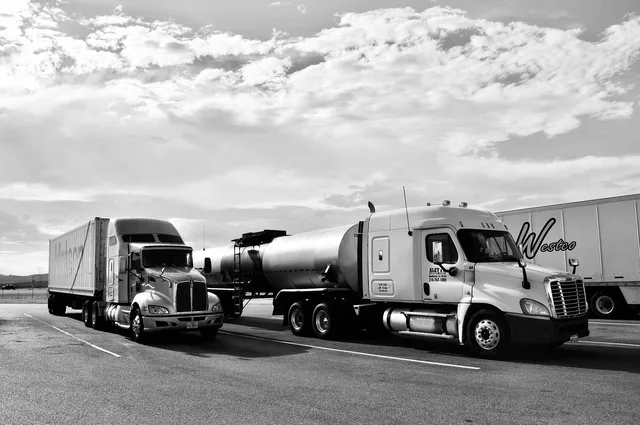
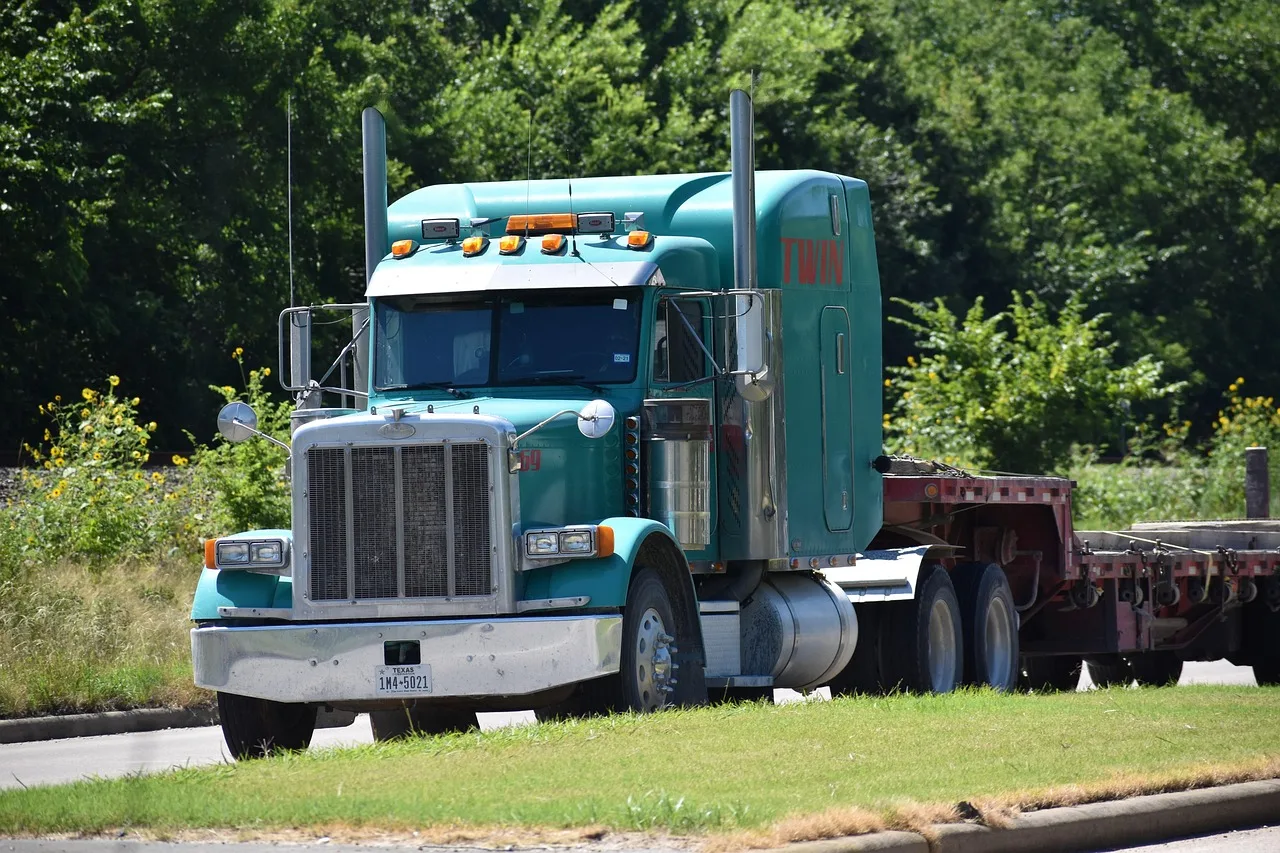
Freightliner builds the M2 and the Business Class chassis that many upfitters use for larger straight trucks. If your work runs to three-bedroom homes and long-distance loads, this is the class you graduate into. Parts and service are widely available because the chassis shares components with commercial trucks.
International covers the same heavier ground with the MV and Durastar series. It is a common choice for fleets running tractor-trailer or 26 foot boxes. Dealer coverage is good in industrial corridors and thin elsewhere.
Hand truck and dolly brands: Magliner, Harper, Milwaukee, PowerMate, Wesco
Magliner is the name most crews say first. The aluminum hand truck and the Gemini convertible are light enough for one person to lift onto a tailgate. The manufacturer rates them, which is the point.
Parts, wheels and bearings are sold separately through distributors. A worn Magliner is repairable rather than disposable. Pricing is per-unit through distributors.
Harper builds steel hand trucks and dollies that trade weight for durability. A Harper truck survives years of appliance work that would bend a lighter frame. The trade is that a steel truck tires a crew faster over a long day, so many yards keep both.
Milwaukee Hand Trucks covers the value end. The trucks are heavier and the finish is rougher than Magliner's, but the price is lower and the load ratings are published. It suits a new yard buying its first six trucks.
PowerMate makes powered stair-climbing and motorized hand trucks. These are the answer for appliance moves and walk-ups where a two-person carry is not safe or not fast enough. The units are a capital purchase, not a consumable. The battery and motor are serviceable parts.
Wesco builds specialty dollies, including appliance and drum trucks. It is the brand to look at when your work includes something the standard hand truck does not fit.
Pad, strap and runner brands: U-Haul, American Moving Supplies, Sure-Max, Keeper, Ancra, Snap-Loc
U-Haul sells pads, straps and dollies through its retail network. That makes it the fastest source for a yard that needs forty pads by Friday. The pads are serviceable rather than premium, and the convenience is the product.
American Moving Supplies and Sure-Max both sell moving pads, straps and floor runners to the trade. Compare them on fill weight per pad and on binding. That is where a cheap pad fails, not on the cover fabric.
Keeper and Ancra make the ratchet straps and tie-downs used to secure loads inside the box. Both publish working load limits on the strap and in the catalog. That is the only rating that matters.
Snap-Loc makes the logistics track and E-track fittings that hold a load against the wall. Pick one track profile and one fitting, and every truck in the fleet accepts the same accessory. The value is standardization.
How to rank these brands against your own work
The list above tells you what exists. It does not tell you what fits your loads, your streets or your crew. That answer comes from a trial, and the trial is cheap.
- Pick the two brands you are actually considering for one item, not the whole catalog.
- Buy one unit of each.
- Put both on a real job with the crew that will use them, and say nothing about what you are testing.
- Ask the crew lead one question afterwardswhich would you rather load with tomorrow?
- Inspect both at the load-bearing points after a week, then order the winner and keep the loser as a spare.
That sequence costs a week and two items. It ranks equipment against your work instead of against a review you read.
What FMCSA and your state require, not the brand
Weight ratings, markings, identification and inspection intervals come from the Federal Motor Carrier Safety Administration for interstate operations and from your state otherwise. That is a separate conversation from which truck you prefer, and it starts before you sign.
FMCSA's regulations and enforcement page lays out the framework for interstate household-goods carriers. Its Protect Your Move materials describe what interstate customers must receive. Confirm the vehicle consequences with the authority, and keep the compliance checklist for new owners beside the dealer quote.
Load ratings are a safety matter
Rated capacity, weld quality, stair-climbing mechanisms and strap working load limits are the four places where a brand's answer has consequences past convenience. Lifting gear fails under load, and the failure is an injury or a destroyed item.
OSHA's guidance on safety management describes a program that finds and fixes hazards before an injury or an inspection does. For a mover that means unrated gear is not bought, rated gear is inspected on a schedule, and anything past its condition limit leaves the truck the day it is found.
Where the brand decision sits
The brand list answers what to buy. Three questions sit around it. Which vehicle your streets and your authority allow is settled first, in the equipment and setup guide.
How many of each item a truck and a crew need is the equipment checklist for new owners. Whether to buy new at all is the arithmetic in the new versus used equipment cost guide, where parts availability and lead time feed straight into the downtime term.
Standardize the fleet
Two trucks with different track fittings and dolly wheels double your spare parts and halve the value of crew familiarity. Pick one track profile, one dolly brand and one pad specification, and hold them across every truck you add.
That is one small operating economy the expansion and market guide counts against the cost of duplication. Crews moving between yards find the same equipment, which shortens training the way the hiring and training guide describes.
Common questions
Are these brands recommendations?
No. They are the names a working yard meets most often, with what each is known for. Whether a specific unit suits you depends on the load rating and the parts lead time on the quote in front of you.
What if a dealer will not put the load rating in writing?
That is itself an answer. A supplier who will not state a rating or a lead time is not one a working yard can plan around. The next dealer is a phone call away.
Does the brand matter as much on used gear?
Less than the inspection does. The brand tells you what the item was when new. The inspection tells you what it is now, and on used gear that is the number you are buying.
Which specification gets skipped most often?
Parts availability. It is invisible at purchase and it is the one that costs a crew-day in July when a bearing goes and the replacement is three weeks out.