
Guides
Phoenix and Denver climate factors for mover household estimates
Phoenix and Denver factors in mover household estimates include crew time, materials, vehicle wear, seasonal scheduling, and a quoting checklist.
What to take away
- Phoenix summer work needs water, shade rest and slower afternoon scheduling, and those hours are billable wages whether or not the customer sees them.
- Denver sits at 5,280 feet, where a crew from sea level produces less for the first two or three days.
- Both markets price seasonalityPhoenix peaks October to April, Denver May to September.
- Packing materials split by climate. Heavier hot-melt tape and stretch film in Phoenix, anti-static wrap and humidity control in Denver.
- Put climate cost on its own line. Buried in the hourly rate it just looks like an expensive mover.
Why Phoenix heat changes packing materials and scheduling
Phoenix summer highs routinely pass 110F. That is a materials problem and a scheduling problem before it is a comfort problem.
Tape fails first. Carton sealing tape softens in a trailer parked in a driveway since 7am, and boxes sealed at the shop pop open by noon. Phoenix movers run heavier hot-melt tape and seal cartons at the truck.
Stretch film behaves the same way. Cheap film tears in heat, so wrapped upholstery and mattresses arrive dusty. A heavier gauge costs more per roll, and that lands in the packing line.
Wood and particleboard dry out in a garage or storage unit. Veneer lifts and joints loosen. Crews that disassemble and blanket-wrap instead of relying on shrink wrap alone spend more minutes per item.
Scheduling follows the sun. Phoenix crews start at 5am or 6am in summer and try to load before the worst heat. A job running past 3pm can add an hour of recovery.
Dispatch sequences stops so the heaviest loading happens early, the same discipline in our guide to scheduling routes without delays.
Customer-packed cartons need a look too. Boxes that sat in a hot garage for a week arrive crushed or split, and the pre-move inspection is billable time.
OSHA heat illness guidance and its effect on Phoenix crew costs
OSHA has no standalone general-industry heat standard, but it enforces heat hazards through the General Duty Clause and publishes detailed guidance. The agency's heat illness overview sets out the water, rest and shade principles Phoenix movers are expected to apply.

In practice that means water on every truck, scheduled rest in shade or air conditioning, acclimatization for new hires, and a buddy system. A crew member showing confusion or nausea comes off the job.
Acclimatization is the line item owners forget. A new hire needs roughly one to two weeks of gradually increasing heat exposure before a full summer day. During that window the crew runs slower, or the company runs a third man as a safety watch.
Cooling supplies are consumables. Ice, water, electrolyte packets, cooling towels and a cooler on each truck recur all season. Two trucks across a Phoenix summer is real money.
Rest breaks cut billable hours without cutting wages. If a three-man crew takes an extra 30 minutes of shaded rest on a 112F afternoon, the customer's rate still covers those wages plus overhead. Some companies add a seasonal heat surcharge; others raise the base hourly rate from May through September.
The compliance side runs past heat. Household goods work means lifting, hand trucks, straps and loading ramps, all under general OSHA duties. The agency's laws and regulations page is where an owner starts a written safety program review.
Small Phoenix companies often skip written programs, assuming OSHA only inspects construction sites. The employer help resources cover compliance assistance, training and consultation services, which let a mover get an outside safety review without triggering an inspection.
Gloves, safety footwear and eye protection fall under the PPE standards. Sweat and heat degrade those materials, so Phoenix replacement cycles run shorter than in milder markets.
How Denver altitude affects crews, vehicles, and packing
Denver sits at 5,280 feet and most suburbs sit higher. Partial pressure of oxygen there is roughly 17 percent below sea level, and a crew flown in from Texas feels it on the first stair carry.
Shortness of breath, faster heart rates and headaches are normal for the first few days. A Denver mover hiring seasonal labor from lower elevations should assume reduced output for two or three days and price it.
Hydration matters more, not less. The air is dry, fluid loss is easy to miss, and altitude increases urine output, so crews need more water than the temperature alone suggests.
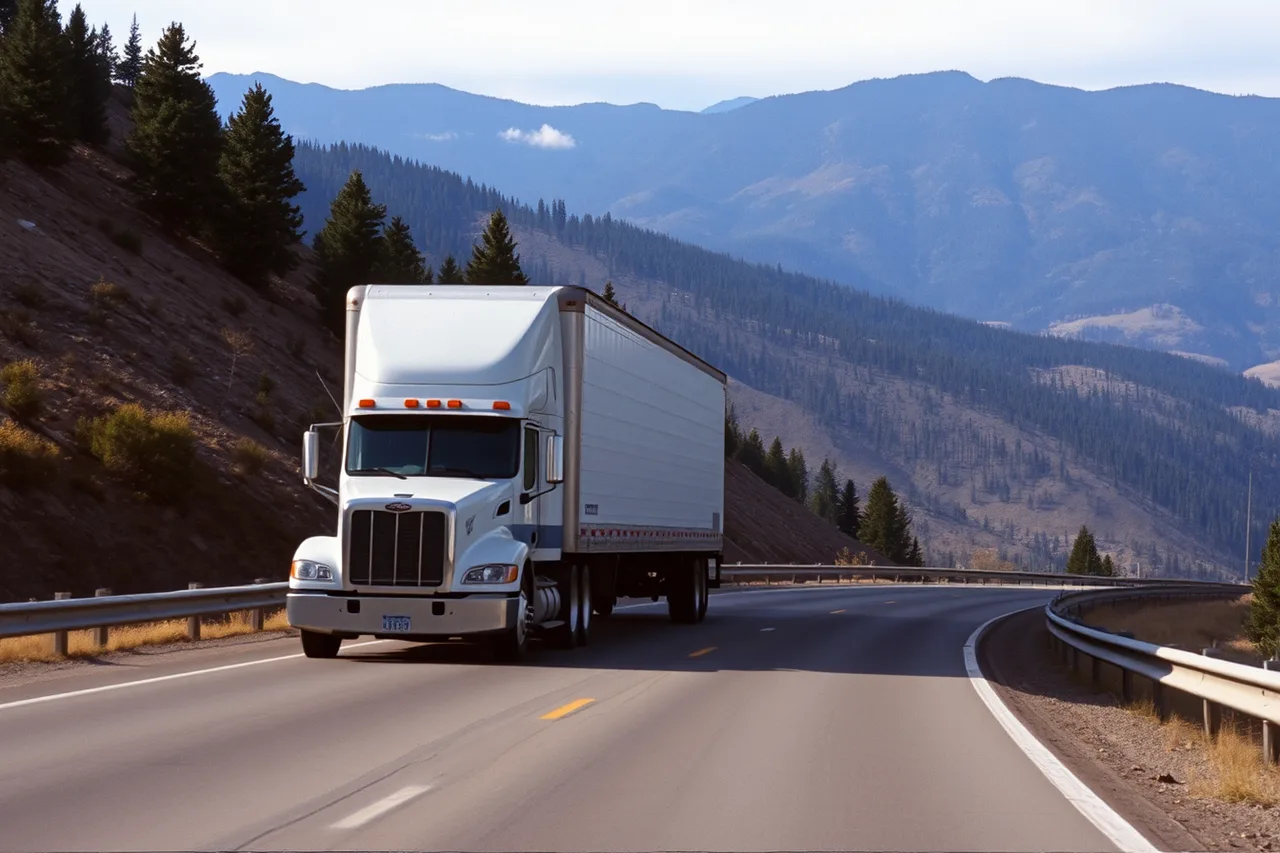
Vehicles lose power. A naturally aspirated gasoline engine makes noticeably less horsepower at altitude, and a loaded 26-foot truck climbing I-70 toward the mountains runs slower than the same truck at sea level. That changes route timing and fuel burn.
Brakes take the beating. Foothill and mountain addresses mean long grades, engine braking and lower gears, and brake service intervals shorten. A company running mountain routes should budget more frequent brake work and carry that overhead in the rate.
Cooling systems run hotter in thin air and transmission fluid breaks down faster under constant grade work. A Denver fleet needs a pre-season inspection a Phoenix fleet does not.
Dry air reaches the cargo. Wood furniture and musical instruments lose moisture, and pieces stable at sea level develop cracks or loose joints after weeks in a Denver warehouse. Piano movers plan humidity control in storage.
Static is minor but real. Low humidity plus cardboard and shrink wrap produces shocks and occasional damage to unwrapped electronics, so Denver estimates often include anti-static bubble or foam for TVs and computers.
Seasonal windows and pricing in Phoenix and Denver
Both markets have strong and weak windows, and the gap is wide enough to change how a company staffs its year.
Phoenix peaks in the cooler months. Retirees and lifestyle movers arrive October through April, and that is when the market supports premium rates. Summer is slower for inbound residential work but still busy with local and intrastate jobs, and heat costs are highest while margins are thinnest.
Denver peaks late spring through summer. Families time moves to the school break and mountain markets fill May through September. Winter moves are fewer but cost more to run because of snow, ice and closed passes.
Seasonal windows and pricing
Phoenix, AZ
- Peak demand window
- October to April
- Hardest working conditions
- June to September heat
- Main cost driver
- Heat labor, cooling supplies, materials
- Typical estimate adjustment
- Seasonal heat surcharge or higher summer rate
- Materials focus
- Heavier tape, heavier stretch film, shade and water
Denver, CO
- Peak demand window
- May to September
- Hardest working conditions
- December to March snow and ice
- Main cost driver
- Altitude labor, vehicle wear, weather delays
- Typical estimate adjustment
- Winter weather contingency and mountain access fees
- Materials focus
- Anti-static wrap, humidity control, cold-weather blankets
A Phoenix mover running a summer job should quote a rate that covers slower afternoon production. A Denver mover running a winter mountain job should quote access risk, because a closed pass or an unplowed driveway turns a one-day job into two.
Both markets reward companies that block capacity in advance. The discipline is the one in our SOP checklist for daily operations, applied to a seasonal calendar instead of a single day.
Insurance and liability differences in extreme conditions
Heat and altitude both create claims a standard policy may not cover cleanly.

Heat damage is the gray area in Phoenix. If candles, electronics or vinyl records warp in a trailer that reached 140F, the mover may be liable for damage caused by conditions the mover controlled.
Trailers without ventilation or a running reefer unit are the weak point, and some Phoenix companies add temperature-controlled storage for sensitive goods and charge for it.
Heat illness claims are workers compensation claims. A crew member who collapses on a Phoenix job is a lost-time injury, and the experience modification factor that follows raises premiums for years. That is the financial argument for the water, rest and shade program.
Altitude raises vehicle liability questions in Denver. A brake failure on a mountain descent is catastrophic, and investigators will read the maintenance records. Documented brake inspections and driver training on grade descent are the defense.
Cargo claims differ too. Denver's dry air can crack wood and loosen joints, and customers sometimes blame the mover for damage that predates the move. Photo documentation at origin, with notes on existing cracks, is the practical protection.
Intrastate moves fall under state regulation and interstate moves under FMCSA rules. Coverage limits, deductibles and valuation options belong in writing before the job, not at delivery. Our overview of moving company insurance costs and coverage covers the policy types that matter, and climate risk belongs in that review.
Building these climate factors into a mover household estimate
A climate-aware estimate separates weather cost from general labor so the customer can see what they are paying for. Hidden inside a single hourly rate, heat and altitude just make the company look expensive and leave the salesperson nothing to explain.
Work the quote in this order:
- Survey in person or by video. Note access, stairs, elevator reservations and driveway grade.
- Check the seasonal window and assign the rate tier for that date.
- Add climate line itemsheat supplies and rest time for Phoenix, acclimatization and mountain access for Denver.
- Price packing materials by climate, heavier tape and film in Phoenix, anti-static and humidity control in Denver.
- Add vehicle and maintenance overhead for the route, especially brake and cooling wear on Denver mountain runs.
- State valuation and coverage options in writing, with climate exclusions explicit.
- Check the total against target margin before it goes out.
Before the estimate leaves the office:
- Job date falls in a defined seasonal rate tier
- Heat or altitude labor adjustment applied where relevant
- Cooling or cold-weather supplies itemised
- Packing materials matched to local humidity and temperature
- Vehicle wear and route grade accounted for
- Valuation and coverage options documented
- Crew briefed on that day's specific hazard
Climate cost only works if margin covers it, which is the arithmetic in our guide to moving company pricing and profit. Fleet decisions follow the same logic, and our equipment and setup breakdown covers the trucks, ramps and cooling gear these two markets demand.
One habit separates companies that stay profitable in both: track actual hours against estimated hours by season, then adjust next year's rates. A Phoenix mover who logs every summer job finds the real heat premium. A Denver mover who logs every mountain run finds the real altitude and brake cost.
Estimates built on last year's measured data beat estimates built on guesswork.
Common questions
Does Phoenix heat really change a moving estimate?
Yes. Heat adds cooling supplies, rest breaks, slower afternoon production and heavier packing materials. Those costs recur from May through September, and they are wages whether the crew is loading or resting.
How much does Denver altitude slow a moving crew?
Crews new to elevation typically work slower for the first two or three days while they acclimatize. Loaded trucks also climb and accelerate more slowly, which stretches route times and fuel burn.
Do movers need a written heat illness program?
OSHA enforces heat hazards under the General Duty Clause and publishes water, rest and shade guidance. A written program is the practical way to show compliance and to control workers compensation costs. Confirm your own obligations with OSHA or a qualified safety professional.
What packing materials change in these climates?
Phoenix jobs need heavier tape and stretch film that survive high temperatures. Denver jobs need anti-static wrap and humidity control for wood, instruments and electronics.